
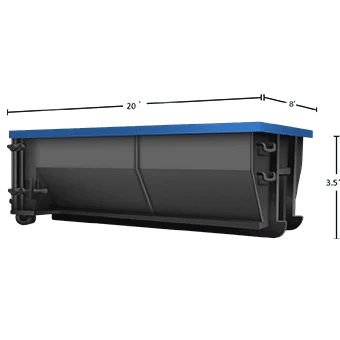
Describe the job by its material streams
A room clearout, demolition phase and material packaging can produce different loads. Explain the main debris and whether it will be separated. Identify dense material and any uncertain coatings or contents for review rather than mixing them into a general construction load.
Ask which container option and loading conditions fit the work. The people loading should know the agreed contents and limits. If another trade starts adding its waste, review that change before assuming it belongs in the same arrangement.
Do not generalize a receiver’s material categories
Lycoming’s landfill information distinguishes clean wood from treated or painted wood and mixed demolition material. Its special-handling information also calls for review before certain industrial or residual waste is accepted. Those categories are not blanket approval for the contents of a rental container.
Describe questionable items before loading and follow the service contact’s instructions for the actual arrangement. Do not attempt to handle a suspected hazardous material as ordinary debris. This rental enquiry is for an appropriate container and removal scope, not permission to discard anything produced by the work.
Sequence containers with the work
Discuss when each debris stream will be produced and whether collection or an exchange is needed between phases. Keep access usable while materials and other deliveries occupy the site. The container should not become a permanent obstacle to work that was supposed to proceed around it.
Ask the quote to identify accepted contents, loading conditions, period, delivery and removal. If toilets or washing are also required for the crew, describe that as a separate service need in the message. Use the dedicated dumpster call option to discuss the debris arrangement.